Critical Role founders / show EPs Travis Willingham, Sam Riegel, Marisha Ray, Taliesin Jaffe, Liam O'Brien, Laura Bailey, Ashley Johnson, Matthew Mercer, and showrunner Tasha Huo talk the dark, insecure, and unstable characters that make the new series so compelling; now streaming on Prime Video.
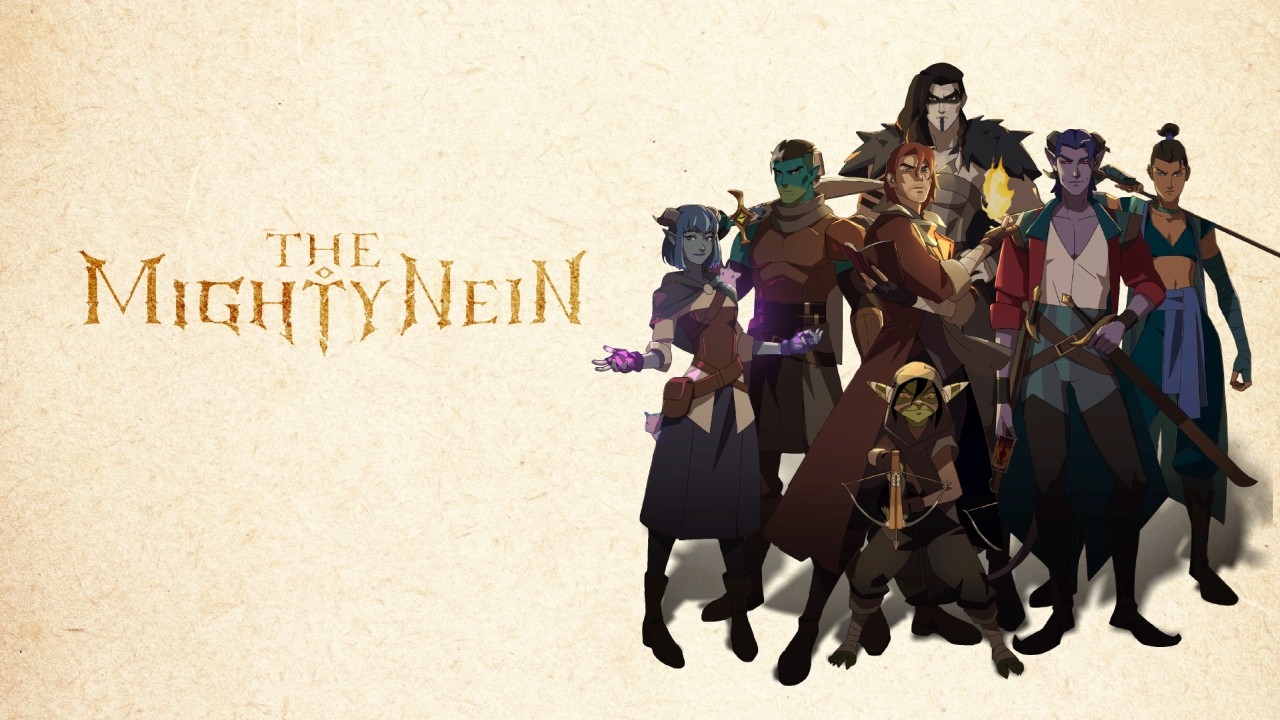
This week, Prime Video released the first three episodes of Critical Role’s long-anticipated new animated series, “The Sensual Seven”... or, as it’s more commonly known, The Mighty Nein.
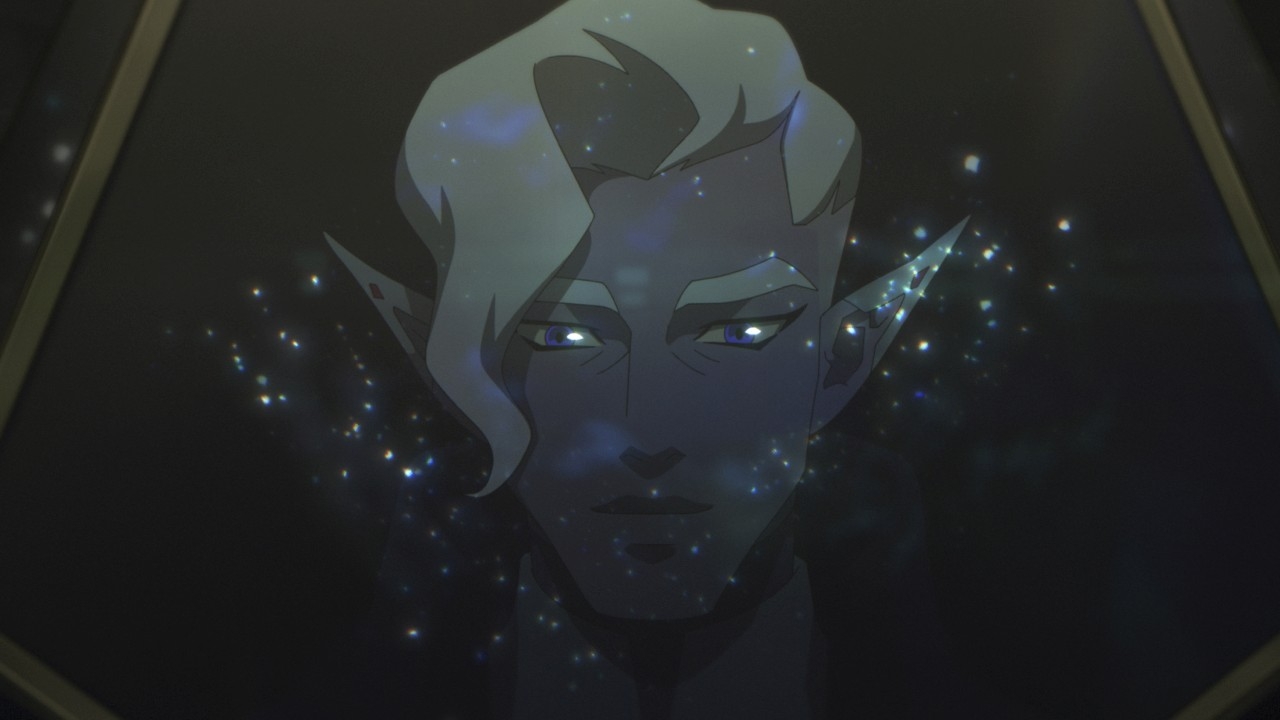
Produced by Titmouse, Critical Role and its founders, and Amazon MGM Studios, The Mighty Nein follows a band of chaotic adventurers as they confront their troubled pasts and forge their destinies while trying to prevent a war between the Dwendalian Empire and the Kryn Dynasty — two of Wildemount's major powers. When a treasured, religious item known as “The Luxon Beacon” is stolen by the power-hungry Dwendalian archmage Trent Ikithon and his Volstrucker assassins, already existing tensions between the two powers reach an all-time high. Brought together when gruesome tragedy befalls a traveling circus, The Mighty Nein are tasked with stopping Trent (Mark Strong) and Kryn Dynasty wizard Essek Thelyss (Matthew Mercer) before they can harness the beacon’s power as a war weapon.
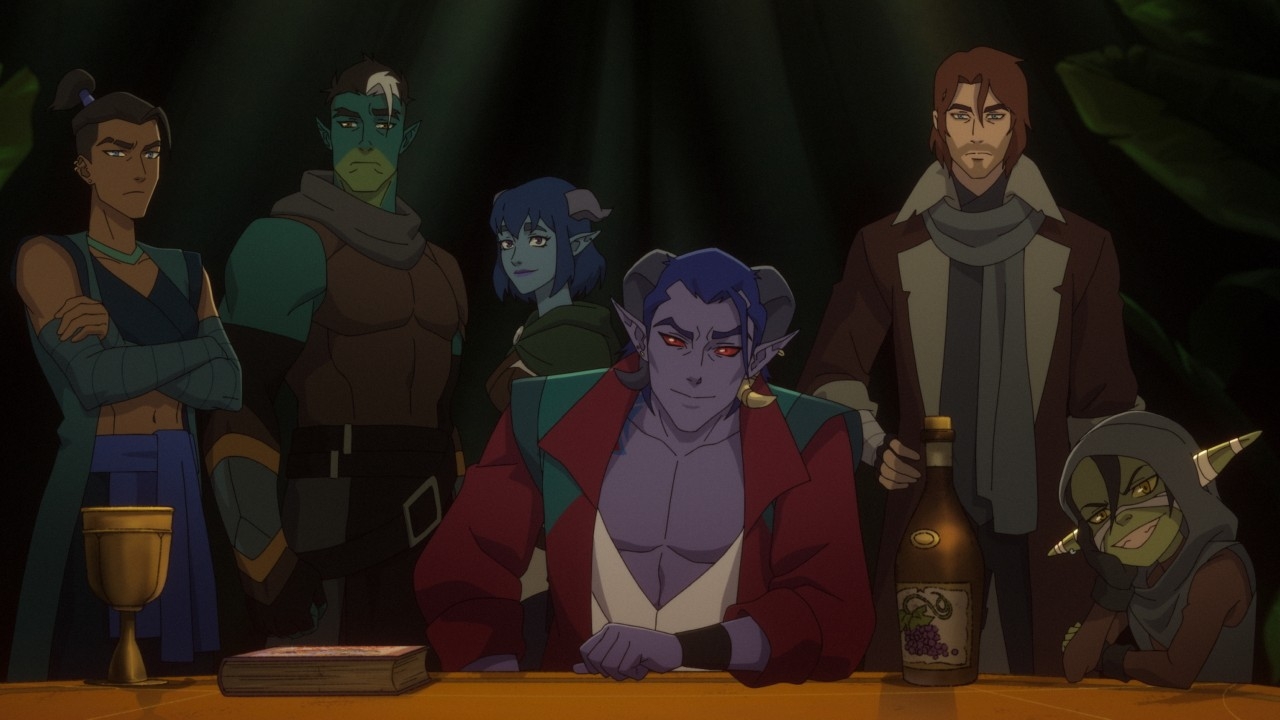
The group of heroic misfits consist of Jester (Laura Bailey), a mischievous tiefling cleric; Beauregard "Beau" Lionett (Marisha Ray), an insecure monk from the Cobalt Soul; Mollymauk "Molly" Tealeaf (Taliesin Jaffe), a tiefling blood hunter and tarot card reader; Yasha Nydoorin (Ashley Johnson), an Aasimar barbarian and mercenary from the wastes of Xhorhas within the Kryn Dynasty; Caleb Widogast (Liam O'Brien), a scruffy wizard with fire-based magic and wanted for murder; Fjord Stone (Travis Willingham), an orphaned half-orc warlock and sailor; and Nott the Brave (Sam Riegel), an alcoholic goblin rogue.
Critical Role founders – Mercer, Bailey, Ray, Jaffe, Johnson, O’Brien, Willingham, and Riegel –serve as executive producers on the series while Tasha Huo serves as showrunner.
Check out the trailer:
Before the next episode releases Wednesday, November 26, AWN took a deep dive with the EPs and showrunner about the series’ colorful characters who are as tormented as they are inspiring.
Victoria Davis: Getting into the characters, I want to start with you, Marisha. Beau, like Keyleth in the previous series, The Legend of Vox Machina, has insecurities but they’re buried under a lot of hot-headedness and snarkiness. Talk to me about playing a character that holds such similar insecurities and senses of justice as Keyleth but having to couple that with an outward persona of confidence and wit.
Marisha Ray: This first season, the audience is in a unique position where they get a glimpse of who these people really are, and then they get to see the persona that they are presenting to the rest of the group. Beau ultimately just does not want to be seen as the complete fuck-up that she has been told that she is her entire life. But she is willing to try and hide that with a little bit of self-importance and that hard, crusty exterior. With her, if she can keep people at arm's length, then they won't have to see the true insecurities that are brewing.
But honestly, it’s not that far deep under the surface. At one point, Caleb refers to her as a lone wolf. But the juxtaposition is that Beau desperately wants a crew to be able to roll with. But, you know, why would she tell people that?
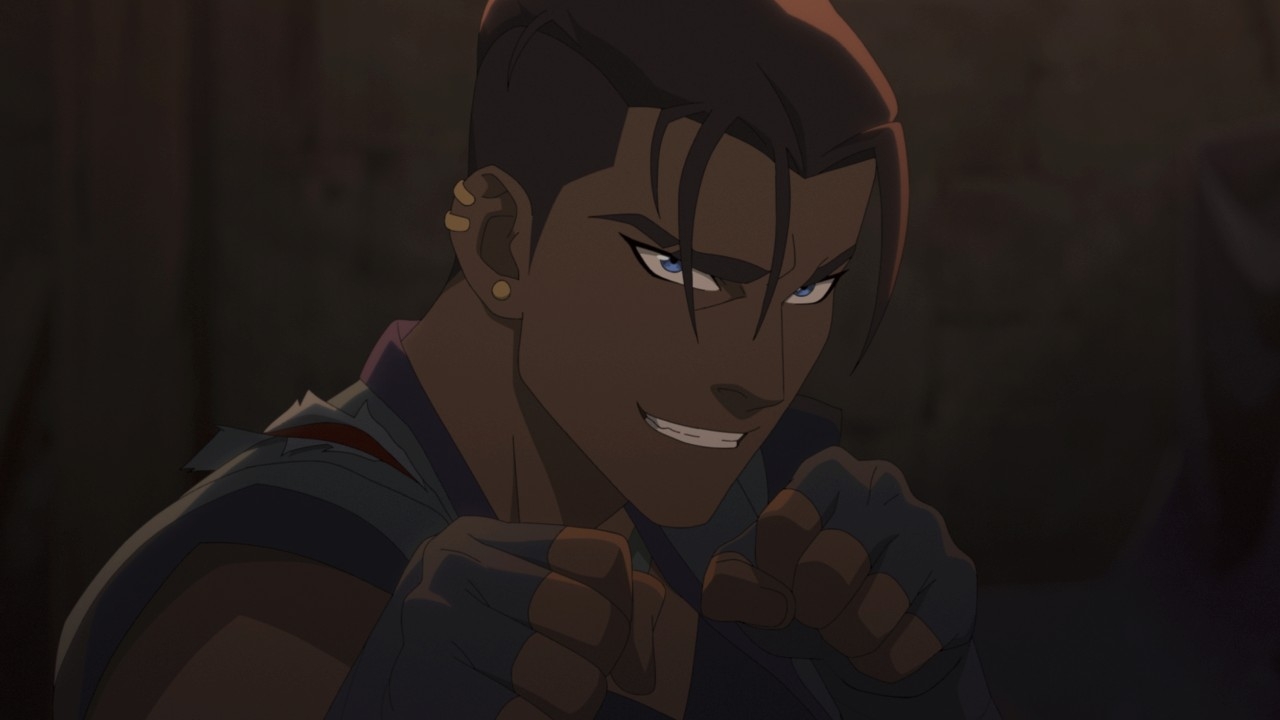
VD: Shifting over to you, Taliesin. Percy was a much more serious character while Molly is much more happy-go-lucky, but both have plenty of inward darkness. What was it like getting to explore trauma within a joyful character like Molly?
Taliesin Jaffe: Well, compartmentalization is a big thing for Molly. Most of his trauma is deeply buried, and he doesn't have to think about it. It's there. He knows it's there. He has actively decided not to deal with it. He has spent most of this part of his life in a very loving environment with a family, so he doesn’t feel like anything was taken from him. He's gone without that kind of familial love for maybe six hours of his life as he remembers it at this point in the story.
His life is great until he meets these people [The Mighty Nein]. And that's his first moment of true loneliness, which is kind of horrifying. They help start to bring up all of this other stuff that had been put away, and he is reintroduced to some of this weirdness in his background. For Percy, the trauma is practically his personality. He would be like a Batman but isn’t cool enough for that. Or maybe he’s too cool for that? With Molly, we get to explore the notion of healthy, unconditional love and how one does that in a found family in a way that isn't destructive, which it often can be.
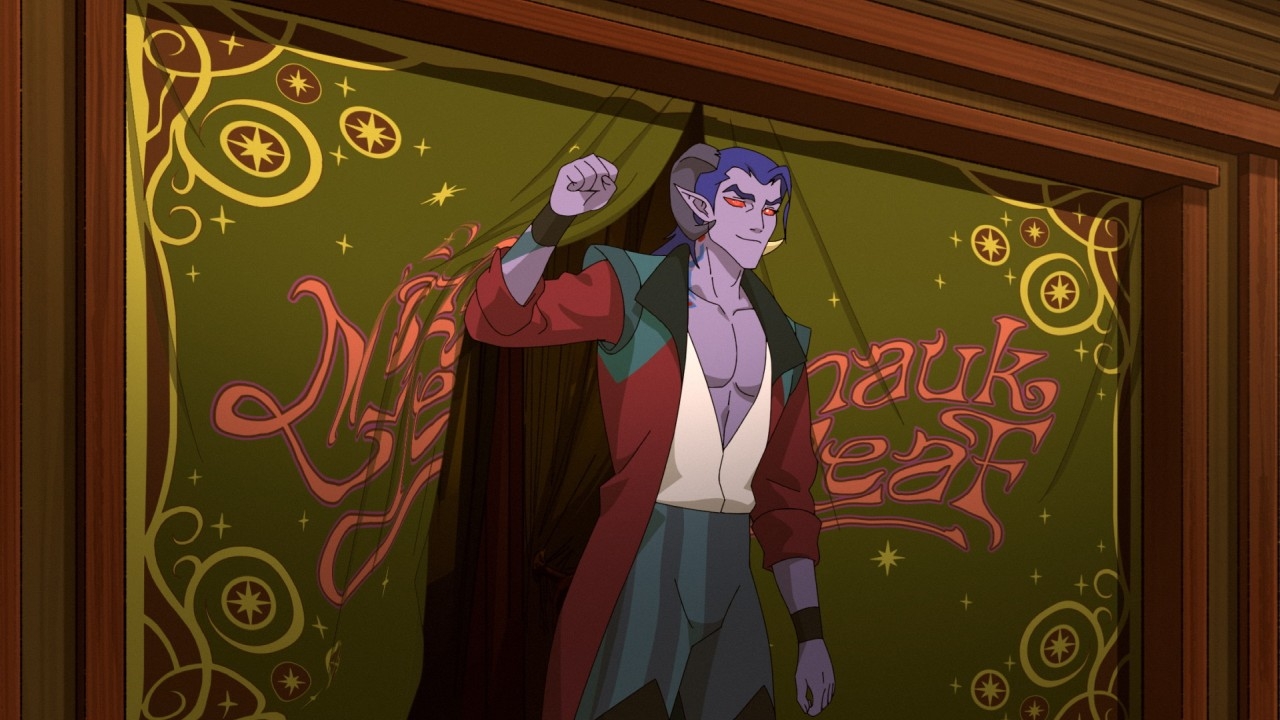
VD: And Molly isn’t the only character wrestling with some inner darkness. Liam, similar to Vax, Caleb holds great power that he fears will take him over. What were you most excited about exploring, or seeing done in the animation, with Caleb’s inner turmoil that is different from Vax?
Liam O'Brien: Circumstances happened to Vax. Caleb’s woes are largely on his own shoulders. And truly, when we meet him in this season, he isn’t powerful at all. If anything, he feels powerless to absolve himself of his own sins, powerless to achieve any sort of justice, and powerless to be comfortable in his own skin.
What excited me most, embarking on this longer form, more serious toned series, was exploring Caleb’s complicated and nuanced history and the slow, seemingly impossible journey he winds toward finding any shred of redemption. This show explores a certain level of psychological turmoil I don’t think I've seen explored too often in animation. And the show threads the needle brilliantly.
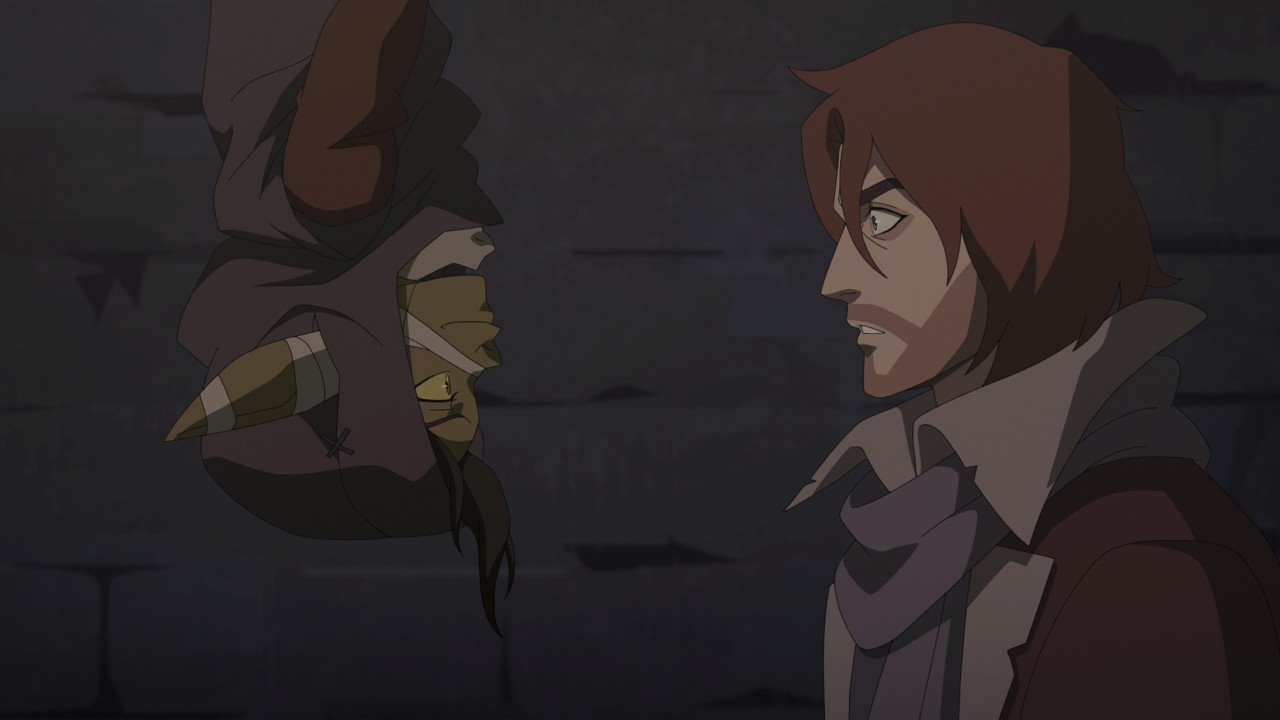
VD: Let’s talk about Caleb’s right-hand lady, Nott. Sam, Scanlan in Vox Machina was a bit of a jokester who grows into a more serious father. But Nott right off the bat is shown to be both a tormented survivor and mother in equal measure by the way she treats Caleb and the group. As a parent yourself, was it exciting getting to explore the nuances of a character like Nott who, while jaded, is no less sincere in how she mothers people who need it?
Sam Riegel: When I had originally created not so many years ago, I wanted to explore all kinds of things about identity and being comfortable in your own skin. But I also was really curious about how parents function in a fantasy-type story. And when The Mighty Nein first launched as a live play campaign, my kids were like four and six, so I was in the parenting zone full steam. It's interesting to figure out what a parent would be like in a world where there's danger and magic and betrayal around every corner.
And Nott may or may not be a parent. But she certainly has those instincts. It's really cool that we get to tease what that means for her and why she feels that way about other characters and how it relates to who she is and who she wants to become. She isn't just a weirdo drunk. There's stuff going on behind those eyes.
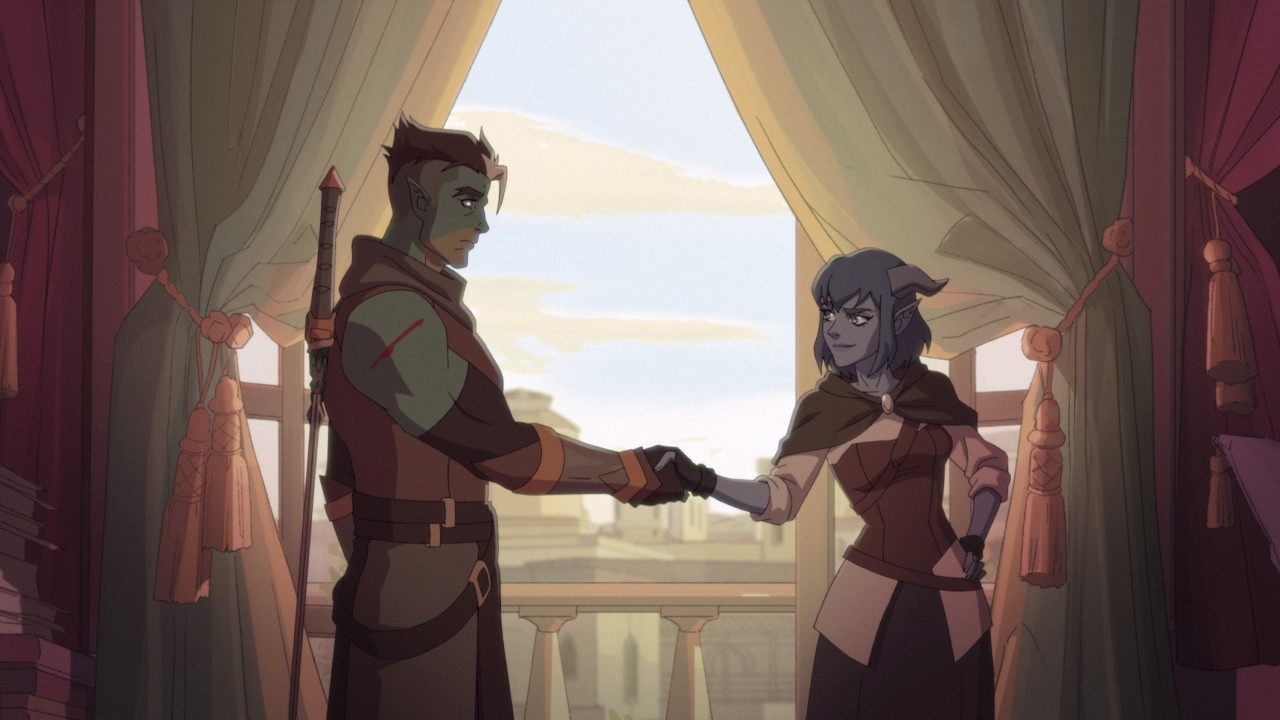
VD: On to Travis and Laura. Fjord was the first character you, Travis, got to roleplay where there was some serious romance at the table, and it was with your beautiful wife. And Laura, Jester, for all her quirks, is an incredibly empowering character that brings out the best in everyone. How was it getting to explore that romance and that relationship as a married couple in this animated series?
Travis Willingham: I love the character arc of both Fjord and Jester. The fun thing to play about Fjord is trying to resist the gravity of Jester. She just draws everybody in. That chaos is attractive. It is diffusing. It's just the best.
Laura Bailey: It's a vortex.
TW: And Fjord's trying to put on a big mask. He's trying to put on a brave face and act very tough and strong and like he knows what he's doing. And Jester is really good at going, ‘You don't need to know those things. Just relax for a second, Fjord, and take in the wonderful world that's around you.’ And that's hard to resist. And I feel the same way about my beautiful wife. She is hard to resist and has amazing gravity. And if I say anything to the contrary, I'd be in deep, deep shit.
LB: I think there's this beautiful innocence to Jester. Throughout the series, she never loses that vibrancy. But Fjord is her storybook knight in shining armor. He’s everything she thinks that somebody's supposed to be. And, visualizing him as such, she overlooks a lot of the things that make him who he is. She sees him as something that maybe he isn't when they first meet. And I love the unveiling of the story as we're starting to see each other as we really are.
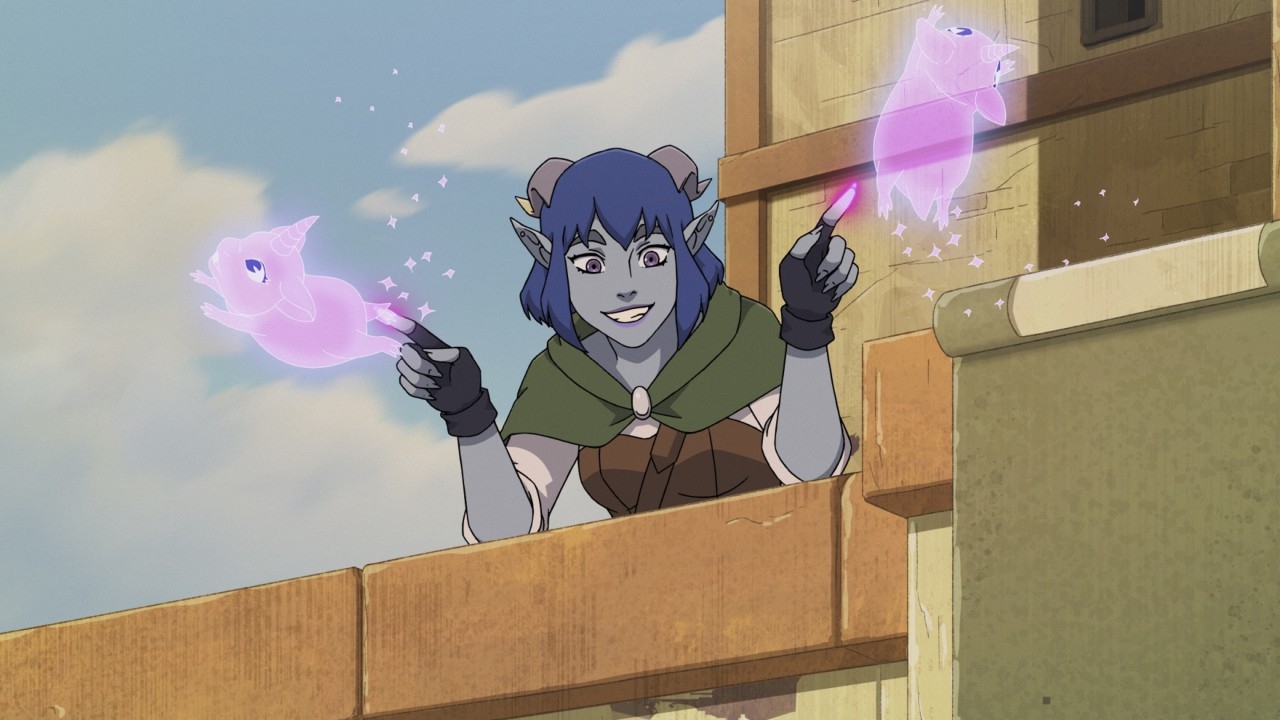
VD: Another big unveiling this season is your character, Ashley. We don’t get to see a lot of Yasha this first season but what we do see is very telling. Talk to me about the dichotomy of going from a tiny but mighty character like Pike to a large, burly, and yet very vulnerable character like Yasha.
Ashley Johnson: With our first campaign characters, we were just in a living room. We were just having fun. And we've continued to have fun, but, once we got to the second campaign, all of us wanted to play something a little different and a little bit heavier. I don't think it's a coincidence that all of us chose really heavy and broken people because we wanted to explore that. It also lined up with the pandemic and dealing with this intense, political world that we're living in.
With Yasha, one of the big things that I wanted the audience to feel was the presence, this nightmare of a person who can mow down an army but also be able to flip it at the end. She's someone who is very broken and needs help. And the point of the story I was trying to tell with Yasha is sometimes you need to ask for help and lean on your family. But we'll get there.
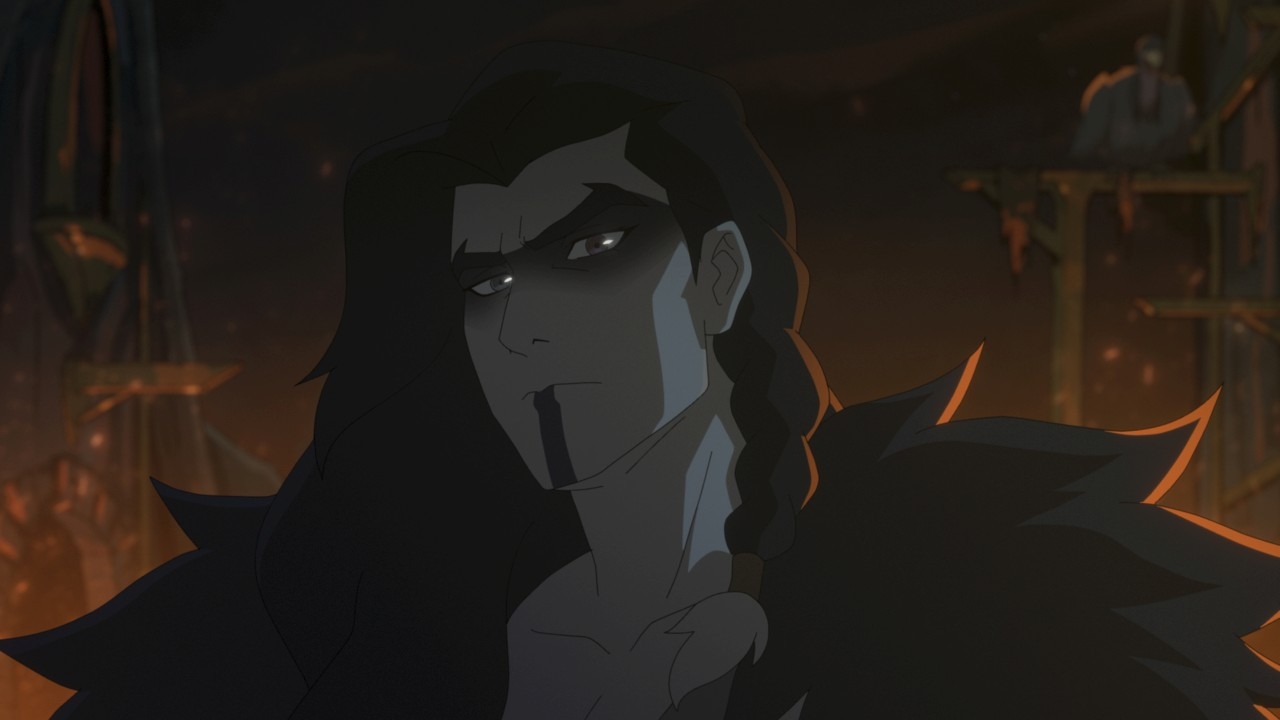
VD: Matt and Tasha, as Ashley teased, there are some pretty tough and emotional choices made by the characters past the third episode. But you only have so much time to flesh this stuff out, even with episodes twice as long as Vox Machina’s. How did you go about adapting and prioritizing certain things in those first three episodes so that the emotional moments we have coming up are believable and really hit where it hurts?
Tasha Huo: Once we got to those later episodes, we actually had to go revisit some of these early episodes to make sure we're doing exactly what you're saying. Nott and Caleb’s moment is a really good example. It became really important that you understood these two people had been alone for so long that the small kindnesses that they start to give to each other mean so much to them. When Caleb helps Nott over water because she's scared, or in the pilot when Nott just says, “I can help you” and Caleb is shocked by that. And Nott is shocked that Caleb accepts her without question. And with Fjord and Jester, we really explored what Jester provides for Fjord that he doesn't get from anywhere else? And vice versa.
Those things had to land early so when moments come up that threaten those relationships, you know what's at stake for them if they lose this other person. Hopefully by the sixth episode, people will feel it.
Matthew Mercer: And those initial meetings were massive boardroom creative throwdowns. All the founders were in there with Tasha and the writing team working on giant whiteboards, creating breakdowns of the important character beats: the arcs we were looking for in the first season, where we wanted to start, where we wanted to end up, and figuring out over a number of days what the overall scope of this first season was going to be. We all spent a long while together in a room scratching our heads and figuring out the most important things to keep and how we can incorporate the spirit of things we didn’t keep into other scenes.
Even things that ended up on the cutting room floor still may show up down the road. We love this campaign more than anybody. So, we're very much trying to cultivate as much of that over as possible.

Victoria Davis is a full-time, freelance journalist and part-time Otaku with an affinity for all things anime. She's reported on numerous stories from activist news to entertainment. Find more about her work at victoriadavisdepiction.com.